San Diego Arborist Services: Professional Tree Support When You Need It Most
Enhance Your Tree's Potential: Uncover the Different Types of Tree Services for Every Need
Maximizing a tree's development necessitates an understanding of multiple tree services. These services include everything from routine maintenance, such as pruning and fertilization, to emergency responses for storm damage. Each type plays a crucial role in maintaining the health and safety of trees. By examining these options, one can guarantee their trees not only survive but thrive. However, the question remains: what specific services are necessary for optimal growth and longevity?
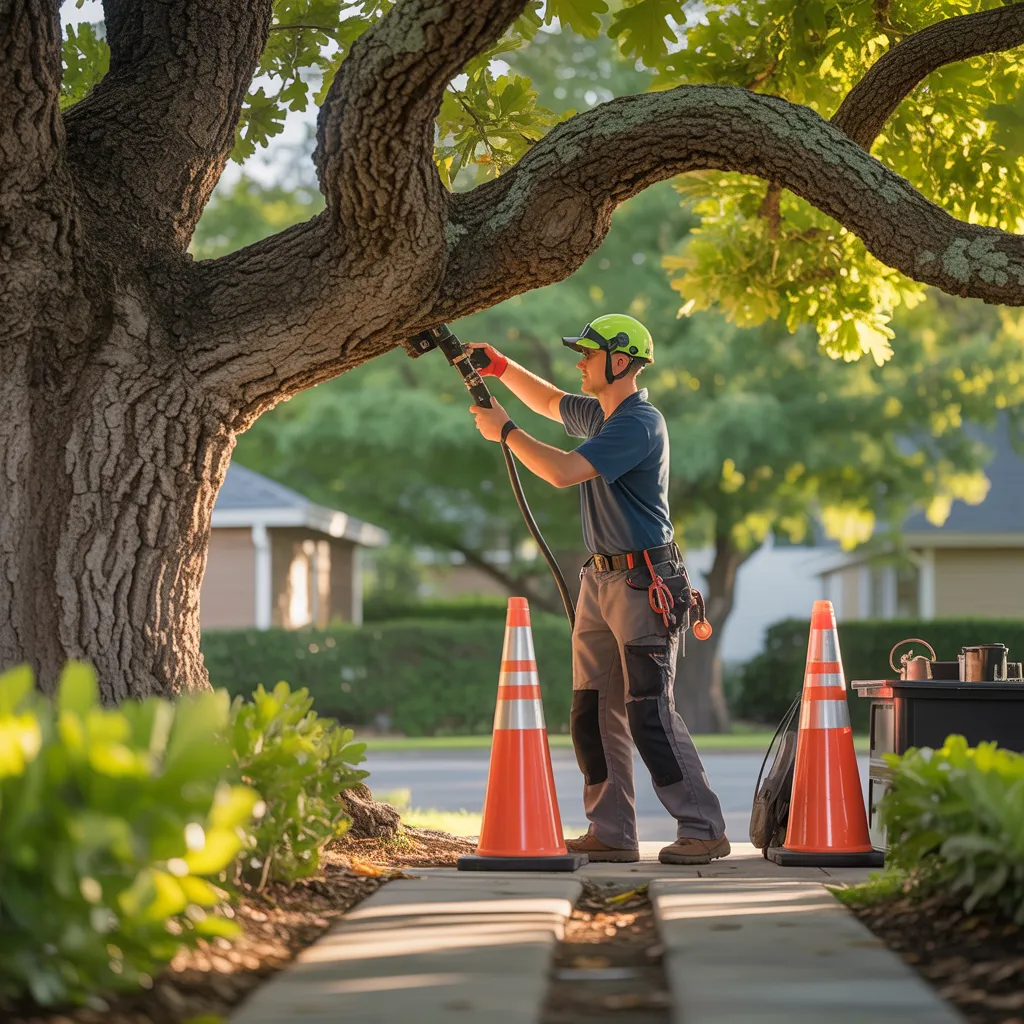
Ongoing Maintenance: Trimming and Pruning for Stronger Trees
Although many homeowners appreciate the aesthetic beauty of trees, they often overlook the necessity of routine maintenance, specifically pruning and trimming. Correct pruning not only enhances the tree's appearance but also promotes healthy growth by removing dead or diseased branches. This practice aids in maintaining the tree's structure, guaranteeing it can withstand environmental stresses such as wind and storms.
The trimming process, on the other hand, focuses on forming the tree's structure and encouraging more compact foliage. Regular trimming can avoid overgrowth that may obstruct pathways or power lines, consequently decreasing hazards. Furthermore, both trimming and pruning facilitate enhanced air circulation and sunlight penetration, which are vital for a tree's overall health.
Homeowners must consider planning these maintenance tasks annually or biannually, according to the tree species and its growth rate. Working with professional tree services can confirm that these tasks are conducted safely and effectively, ultimately promoting the longevity and vitality of the trees in their landscape.
Removing Trees: Understanding When and How to Let Go
Removing trees becomes essential when symptoms of decay, such as dying branches or rotting roots, endanger safety and well-being. Knowing proper elimination methods is vital to prevent damage to surrounding areas. Moreover, landscape maintenance after removal plays a vital function in sustaining the environmental and aesthetic equilibrium of the area.
Indicators of Tree Health Decline
What are the ways to spot the early symptoms of tree decline? Identifying these warning signs is vital for timely intervention. A prominent indicator is the presence of dead or dying branches, which may look brittle or have no foliage. Additionally, a tree may exhibit unusual leaf discoloration or premature leaf drop, suggesting stress. The trunk can reveal signs of decay, such as cracks, holes, or fungal growth. Roots may also become exposed or damaged, influencing stability and nutrient uptake. Finally, an overall drop in growth or sparse canopy can signal that the tree is struggling. By observing these symptoms, one can make informed decisions about the state of the tree and consider necessary actions for its future.
Safe Removal Techniques
Opting to take down a tree can be a learn more tough yet required determination, especially when security and well-being are in question. When undertaking tree removal, employing safe techniques is essential. Specialists often assess the tree's condition and surrounding environment to identify the best removal method. Techniques like "felling" involve slicing the tree at its foundation, allowing it to fall in a controlled manner. For larger trees or those adjacent to properties, "sectional dismantling" may be utilized, where the tree is carefully divided into manageable pieces and brought down securely. Suitable equipment, such as ropes and harnesses, is critical to ensure the safety of the crew and nearby property. In the end, hiring qualified arborists guarantees that the removal process is executed with accuracy and attention.
After-Removal Landscape Services
Successfully removing a tree is just the beginning of a new chapter for any landscape. After removal, proper landscape care is vital to restore and enhance the area. Assessing the soil quality is crucial; it may require aeration or amendments to support new growth. Packing the hole with high-grade topsoil can form a uniform surface while eliminating erosion.
Landscaping options, such as adding fresh trees or shrubs, can reinvigorate the space and boost visual appeal. Moreover, the removal site should be monitored for any potential pest issues that may develop. Consistent maintenance, including watering and mulching, will encourage vigorous growth in the freshly installed landscape. In the end, strategic post-removal care guarantees a vibrant and well-maintained environment for years to come.
Disease Identification: Detecting and Managing Tree Diseases
Grasping tree diseases is essential for preserving healthy landscapes. This section will investigate common tree diseases, introduce diagnostic techniques for detecting issues, and detail available treatment options. Correct diagnosis and timely intervention can substantially increase the longevity and vigor of affected trees.
Frequent Tree Conditions
As trees mature, they become prone to multiple diseases that can compromise their health and longevity. Prevalent tree diseases include powdery mildew, a fungal disease that presents itself as a white powdery substance on leaves, and root disease, often caused by excessive watering or inadequate drainage. Another common issue is oak wilt, a serious disease affecting oak trees, leading to wilting and eventual death. In addition, aphid infestations can compromise tree health by feeding on sap and carrying diseases. Recognition of these ailments is vital for successful intervention and care. Implementing proper care, including frequent assessments and swift responses, can help reduce the impact of these illnesses, ensuring trees continue to be healthy and vibrant during their lifetime.
Diagnostic Techniques Overview
How can arborists effectively diagnose tree diseases? They employ a combination of visual inspection and advanced diagnostic tools. Initially, an arborist examines the tree's physical condition, searching for symptoms such as discolored leaves, wilting, or unusual growth patterns. This assessment often includes evaluating the soil and surrounding environment for potential stress factors.
To more thoroughly assess, arborists may employ tools like soil tests or lab analysis of leaf samples to detect pathogens or nutrient deficiencies. Furthermore, technology including infrared imaging can uncover hidden issues within the tree structure. Understanding the specific tree species is crucial, as different species show unique responses to diseases. By combining these methods, arborists can accurately diagnose tree illnesses, supporting informed management decisions.
Treatment Options Available
Following diagnosing tree diseases through careful observation and modern techniques, arborists can begin to determine suitable treatment approaches. Treatments may include targeted pesticide applications to combat pests or fungal infections, maintaining minimal impact on the surrounding ecosystem. In cases of nutrient shortages, soil amendments or foliar sprays can recover health. Pruning diseased or infected branches is crucial to halt further spread of disease. Moreover, implementing correct watering practices can support recovery. For serious cases, tree removal may be necessary to protect surrounding vegetation. Routine monitoring and maintenance additionally enhance the tree's resilience against future health issues. Each treatment plan is customized to the particular needs of the tree, emphasizing the importance of professional intervention in protecting tree health.
Proper Fertilization: Nourishing Your Trees for Superior Growth
Fertilization plays an essential role in ensuring that trees get the core nutrients required for healthy growth and health. Trees, as with all living creatures, need a properly balanced supply of macronutrients like nitrogen, phosphorus, and potassium, in addition to trace elements including iron and magnesium. These nutrients facilitate functions for example photosynthesis, root development, and overall health.
Tree fertilization should be tailored to the particular species and conditions of the environment, as distinct trees have distinct nutritional demands. Soil testing can aid in detecting nutrient deficiencies and guide appropriate fertilization strategies. Furthermore, the timing of fertilization is essential; spring is often the optimal period as trees commence their growing season.
Utilizing professional tree services can increase the effectiveness of fertilization, ensuring accurate application techniques and formulations. This focused approach not only fosters ideal growth but also increases the tree's resilience to diseases and environmental stressors.
Urgent Services: Dealing with Storm Damage and Hazards
Severe weather events can bring about extensive storm damage, creating hazards to both property and safety. When trees come down or become damaged due to powerful gusts, heavy rain, or snow accumulation, quick intervention is essential. Emergency tree services focus on analyzing the damage and reducing risks associated with downed or unstable trees. These professionals are able to handle different situations, from removing dangerous limbs threatening structures to complete tree removals that could block roadways or driveways.
Furthermore, emergency services typically provide cleanup services, ensuring that debris does not pose further dangers. Their knowledge permits quick and safe outcomes, decreasing damage to surrounding areas and structures. Clients experiencing storm-related emergencies gain significantly from immediate, professional intervention, providing a swift return to normalcy. By resolving hazards successfully, tree service professionals fulfill a vital purpose in maintaining safety and shielding property throughout and following severe weather occurrences.
Expert Consultation: Specialist Recommendations for Tree Management Planning
Consulting services provide invaluable proficiency in planning tree care, helping homeowners in maintaining the wellness and durability of their trees. These professionals evaluate tree conditions, spotting issues such as diseases, pests, and structural deficiencies. By undertaking in-depth evaluations, they present tailored recommendations that suit individual landscapes and specific tree species.
Furthermore, professional consulting inform property owners on optimal planting approaches, pruning schedules, and soil management techniques. This knowledge empowers clients to make informed decisions, making certain their trees grow successfully in varied environments.
Furthermore, consultants typically establish long-term management plans, which include routine monitoring and maintenance strategies. These anticipatory measures aid in stop potential hazards and increase the aesthetic value of properties.
Eventually, specialist consulting services represent a essential resource for anyone wanting to foster a vibrant and sustainable tree population, contributing to comprehensive ecosystem health and elevating the beauty of outdoor spaces.
Common Questions
How Often Do I Need to Schedule Tree Maintenance Services?
Tree care services should usually be scheduled on an annual basis, with further visits as necessary after storms or substantial weather events. Consistent assessments help ensure tree health, safety, and aesthetic appeal while eliminating potential hazards and costly damages.
When Is the Best Time of Year for Tree Pruning?
The best season for tree pruning is early spring or late winter, just before new growth commences. This timing reduces stress on the tree and enables proper healing, promoting healthier growth during the upcoming growing season.
Can Tree Services Aid in Landscaping Design?
Absolutely, tree services can aid in landscaping design by evaluating existing vegetation, recommending suitable tree species, and planning layouts that boost aesthetic appeal while ensuring healthy growth and incorporation with the overall landscape environment.
Do Tree Services Have Insurance and Licensing?
Indeed, reputable tree services are typically licensed and insured. This confirms that they follow local codes and secure both the business and clients from any possible liabilities, assuring a professional and safe approach to tree care.
How Should I Pick the Right Tree Service Provider?
When selecting the right tree service provider, one should verify credentials, check for licenses and insurance coverage, read customer reviews, request price quotes, and assess their experience. Gathering multiple opinions can help ensure informed decision-making for tree care needs.